
Enjoy gluten free dining in Tokyo, a city of diverse cuisine


Tokyo is known as one of the world's premier gourmet cities. The city's defining characteristic is that it attracts chefs with exceptional culinary skills and high-quality ingredients, allowing visitors to enjoy a diverse range of cuisines from traditional Japanese dishes to various dishes from around the world, as well as street food.
In recent years, the diversity of Tokyo’s food has expanded with the development of cooking techniques based in gluten-free cuisine (dishes excluding gluten found in wheat, barley, and rye). This has seen the number of restaurants offering high-quality delicious gluten-free dishes continue to grow, and greater customer satisfaction.
The appeal of Tokyo's food scene lies not only in the convenience of “access to every kind of cuisine,” but also in the underlying “food safety and refined techniques.” Particularly in gluten-free cuisine, Japan's unique ingredients and craftsmanship artistry demonstrate a distinct advantage.
For many people visiting Japan from overseas, having an experience of globally popular Japanese cuisine in Japan is high on the list of things to experience. Some Japanese cuisine includes dishes that use wheat flour. The increased availability of gluten-free Japanese food options is greatly appreciated by those who regularly prefer gluten-free choices but want to sample enjoy the unique flavors of Japanese cooking. The background to this lies in the indispensable role of Japan's unique ingredients and traditional seasonings, and its ability to adapt to gluten-free dishes.
Gluten-free cuisine unique to Tokyo. Japanese traditional fermented seasonings and rice flour are the secret to deliciousness.
One of the keys to creating delicious gluten-free dishes lies in the rice produced in Japan. Japanese rice has an excellent balance of moisture content and UMAMI flavor (a category of taste in food that is often referred to as "the fifth taste"). Japanese people, for whom rice is the staple food, have historically continued to develop numerous varieties. Rice with the optimal balance of moisture content, texture, and UMAMI flavor can then be matched to each specific dish. Additionally, the milling techniques used to produce rice flour are first-rate. For these reasons, when used as a substitute for wheat flour, it can create a more delicious texture and flavor than wheat flour itself.
Furthermore, using traditional Japanese seasonings as a secret ingredient can add a rich flavor, enhancing the overall satisfaction of the dish. Seasonings like Miso, Soy sauce, and Koji are rich in UMAMI flavors because they are slowly fermented over long periods using special techniques with over 1,000 years of history in Japan. Even from a sustainability perspective, actively utilizing Japan's traditional foods contributes to preserving and passing on its important food culture, while adapting to new culinary developments.
Tokyo brings together Japan's finest technology and traditional food culture. By selecting and utilizing the optimal ingredients, production methods, and cooking techniques, the city can provide gluten-free dishes of authentic and delicious Japanese cuisine. This includes globally popular trend tidbits classics such as Karaage (fried chicken), Gyoza (dumplings), Ramen and Udon. This symbolizes Tokyo's food innovation and demonstrates the city's dynamism in meeting diverse food needs.
Gluten Free T's Kitchen, a restaurant certified gluten-free to international standards.
Gluten Free T's Kitchen in Tokyo is a restaurant where visitors can enjoy authentic Japanese cuisine made with gluten-free ingredients. It was the first in Asia to receive a gluten-free certification from The Gluten Intolerance Group. They provide high-quality dishes for their customers based on internationally recognized knowledge and extensive experience. In 2021, it was featured on the front page of THE JAPAN TIMES as “The Famous Gluten-Free Restaurant in Japan.”

Takako Iino, owner and chef of ”Gluten Free T's Kitchen”
Takako Iino, owner and chef of this restaurant, grew up with the feeling that “people naturally smile when they eat delicious food,” an insight gained from her mother's cooking during her childhood. However, while she was living in the United States, a friend of hers had celiac disease (an autoimmune condition where the immune system reacts to gluten), prompting her to consider the need for gluten-free options when eating out. She also realized that Japan, at that time, offered almost no gluten-free choices. That experience inspired her to think, “I want to bring smiles to people around the world who need gluten-free options through safe and delicious dishes,” leading her to open her restaurant in 2017.
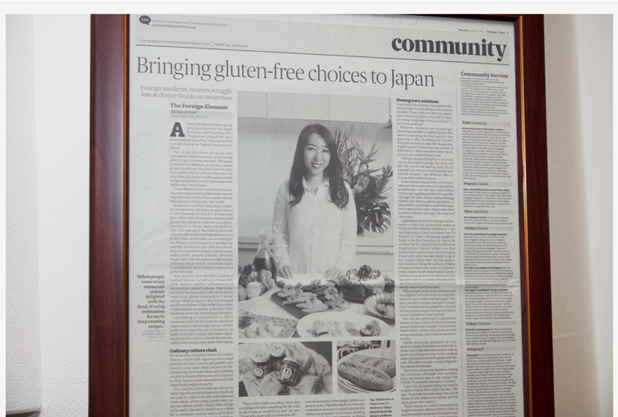
Featured on the front page of THE JAPAN TIMES (2021).
Ramen, Karaage and Gyoza, enjoy a full range of perfect and authentic gluten-free Washoku in Tokyo.
The reason “Gluten Free T's Kitchen” is popular is partly due to its diverse menu. Their menu was developed based on customer surveys, and they specially selected the line-up from over 700 recipes (As of December 2025). Among these, the most popular menu items are Karaage, Gyoza, and Ramen. These dishes are beloved by many people in Japan, from children to adults, and have also become popular worldwide.

Gluten Free T's Kitchen's popular Karaage.
The restaurant's Karaage (Japanese style fried chicken) is made with a special gluten-free flour mix containing Japanese rice flour. Rice flour generally absorbs less oil than wheat flour, resulting in a crisp, light texture without feeling greasy. The appeal of gluten-free cooking lies in dishes like that.
Karaage is a dish where ingredients are lightly coated in flour and then deep-fried in oil. In Japan, chicken is typically used, but other ingredients such as seafood and vegetables are common alternatives.

Gluten-free gyoza with a pleasantly chewy and moist texture.
The Gyoza (Japanese style dumplings) here use chicken and cabbage in their filling. The Japanese rice flour dough offers a pleasantly chewy and moist texture, being not too heavy to eat and delicious compared to the typical wheat flour dough used in standard Gyoza.
Gyoza are made by rolling out thin, dough rounds made from kneaded flour, wrapping it around a filling, and then cooking it. In Japan, fried Gyoza are the most popular variety.

Delicious gluten-free Ramen with a rich Miso flavor.
The flavor of the Ramen soup here is based on Miso. Miso can add a rich UMAMI flavor, enhancing the overall satisfaction of the dish.

The restaurant's menu.
The restaurant has two locations, and all menu items are gluten-free. The menu at each location is different, offering customers a choice of over 20 unique dishes.
“Tokyo's defining characteristic is its diverse, mixed culture where anything exists and anything can be eaten. That's the quintessential Tokyo way of enjoying food,” says Ms. Iino.
For example, just as numerous ramen shops with distinct characteristics exist, new food cultures continue to emerge daily in Tokyo as diverse culinary traditions converge and blend. She constantly draws inspiration from Tokyo’s food scene and continues to create delicious gluten-free dishes.
Ms. Iino continues to take on new challenges, driven by her aim to promote gluten-free cuisine not as a restrictive allergy-based diet, but as a culinary choice that allows people to explore new possibilities in flavor and enjoyment. She says, “I want people to experience gluten-free Japanese cuisine that can only be enjoyed in Japan, flavors that only Japanese people can create, and seasonings and ingredients unique to Japan—all right here in Tokyo.”
Gluten-free cuisine, combining health and deliciousness, continues to evolve and expand in Tokyo—a city where diverse food cultures from around the world and across Japan converge.
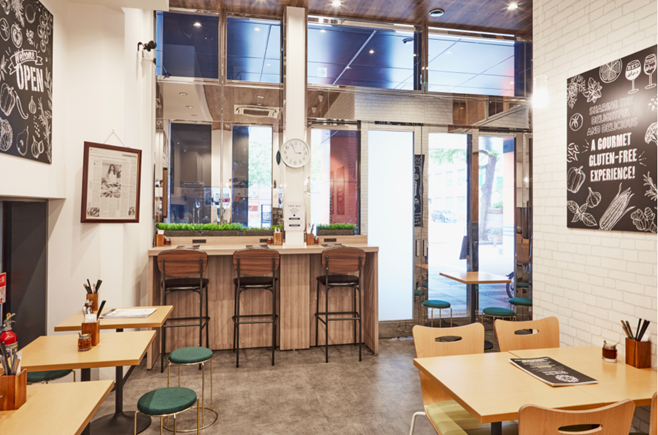
Inside Gluten Free T's Kitchen.
Gluten Free T’s Kitchen
Takako Iino
Born in Sapporo in 1965, Takako Iino opened Gluten Free T’s Kitchen in Roppongi after a close friend was diagnosed with celiac disease, which inspired her to explore gluten-free cooking. She is dedicated to inclusive dining, creating dishes everyone can enjoy, while also leading product development and consulting.
Address
【Roppongi】2F, 7-8-5 Roppongi, Minato City, Tokyo
【Ueno-hirokoji】APA Hotel Ueno-Hirokoji 1F, 5-3-3 Sotokanda, Chiyoda City, Tokyo
https://glutenfree.co.jp/home-en/
To learn more about
you can press “copy” and paste on search engine