
Attitude Over Etiquette: How to Enjoy Kaiseki


Tokyo’s Kaiseki cuisine is waiting for you
There is an endless amount of food to try in Tokyo, from delicious everyday staples like curry rice and ramen to Japanese takes on Western cuisine. But if you want to experience a form of seasonal Japanese fine dining in which every meal is a unique interpretation of ingredients, that is kaiseki. And there is no better city for it than Tokyo.
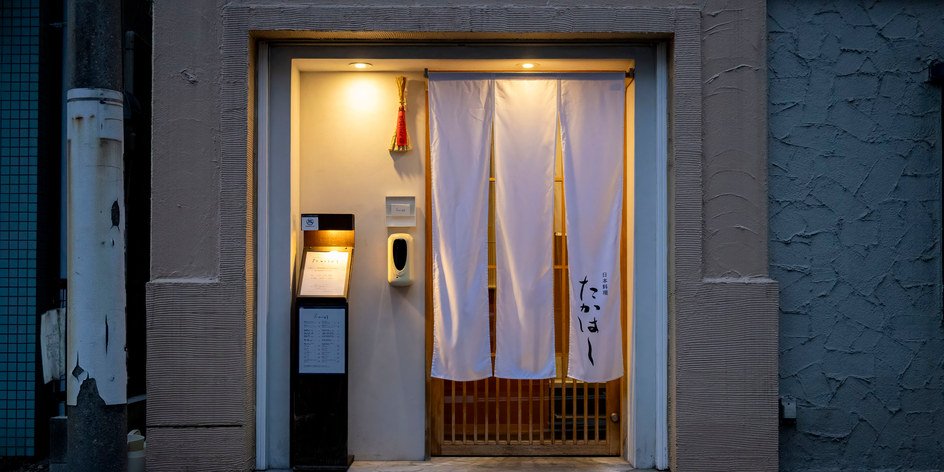
Kaiseki is a traditional, Japanese multi-course meal showcasing seasonal ingredients arranged in a delicate balance of texture, color and taste - all to be savored alongside sake. Its roots can be traced to two distinct traditions. The first, cha-kaiseki, is the simple yet highly refined cuisine that accompanies a tea ceremony, said to have been established by tea master Sen no Rikyu in the late 16th Century. The second, honzen ryori, is a formalized banquet cuisine that originated within the warrior class during the Muromachi period (1336–1573). What we recognize as kaiseki ryori (meaning, kaiseki cuisine) today formed during the Edo period when both of these traditions converged into a style of cuisine centered on the pleasures of a sake banquet.
Kaiseki usually begins with a small appetizer, called a sakizuke, and then a soup dish called an owan. Several other courses follow, which often include an assorted platter of small seasonal dishes called a hassun, a sashimi dish (otsukuri), a hot grilled dish (yakimono) and a dessert. The courses are all omakase, or chef-curated, and diners have no say in what they will eat. Traditional kaiseki is based on fish and produce, but many modern kaiseki restaurants include meat dishes. The careful plating and presentation form a feast for the eyes as well as the body, an experience to be savored and enjoyed.
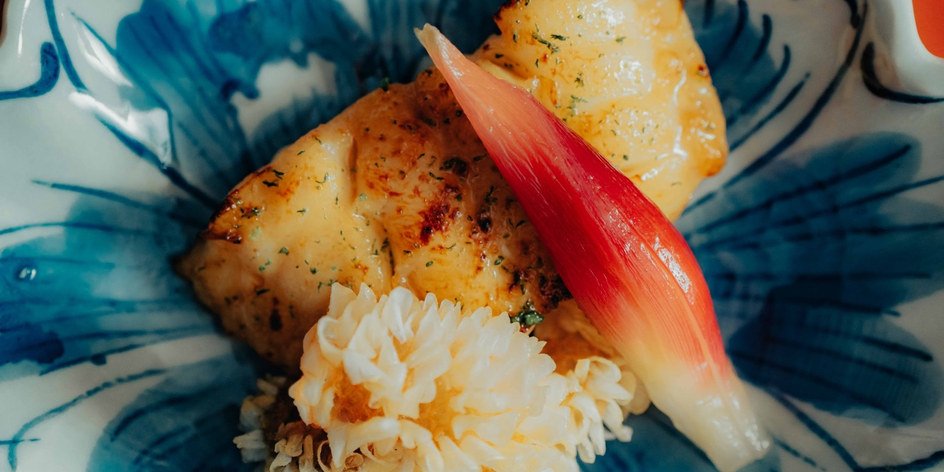
While kaiseki is meant for anyone, the perceived etiquette around this culinary tradition can intimidate visitors to Japan, even dissuading them from trying it. While there is a highly refined, expert level of kaiseki etiquette, this is not something most Japanese kaiseki diners are familiar with, any more than a typical French restaurant patron knows all the intricacies of European gourmet dining. If you are comfortable ordering a nice bottle of wine without being able to aerate, swirl and sniff like a fifth-generation Bordeaux sommelier, you are more than ready to enjoy kaiseki.
Here are a few things to keep in mind that will help show your appreciation to the chef and restaurant while enhancing your kaiseki experience. And we’ll also get into why a few particulars about Tokyo make it one of the best kaiseki destinations in the world.
How to enjoy kaiseki
A kaiseki meal begins long before the work in the kitchen. It originates in fresh seafood and vegetable markets like Tokyo’s Toyosu, where the chef will search for seasonal catches and delicacies, forming an idea of the meal in his or her mind throughout procurement. With reservations in mind, the chef is often already preparing plans for particular customers, mindful of their backgrounds and what dishes may be most palatable to them while still being unique and surprising.
That’s one reason kaiseki is meant to be fully appreciated, both out of respect for the culinarians and to make the most of your experience. But practically, what does that mean?
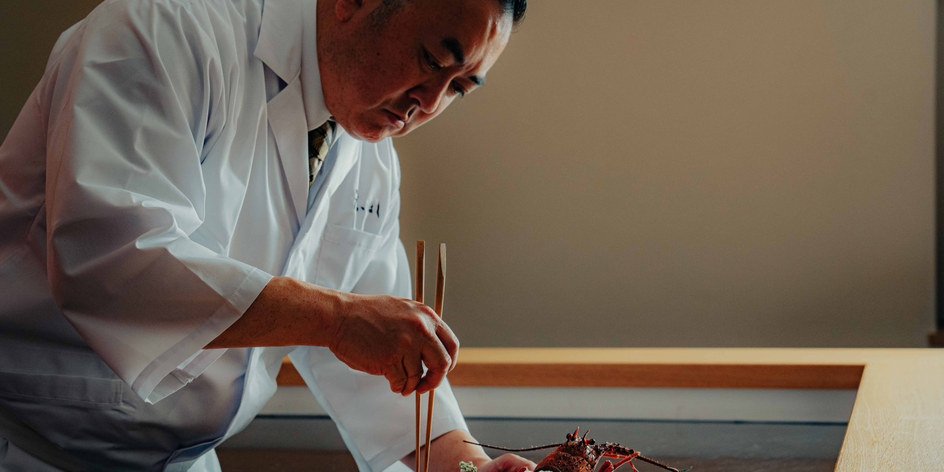
Chef Tadashi Takahashi began his career 30 years ago in renowned Tokyo Kaiseki restaurants before working abroad at Nobu London and then serving as Head Chef of Nobu Melbourne. In 2020, he moved back to Tokyo and opened Nihonryori Takahashi in Koto City. His long, fine Japanese dining experience has left him with little interest in judging specific manners, but he is very invested in having everyone present - from his staff to the guests - optimize the kaiseki experience for everyone else. Attitude is far more important than etiquette.
Takahashi explained that kaiseki dishes should be enjoyed as they are presented. He understands that some guests want to take photos of the meticulously arranged plates, and takes it as a compliment when they do so. But if you want to take a photo, do it and then put the phone aside so you can enjoy the dish as it has been served.
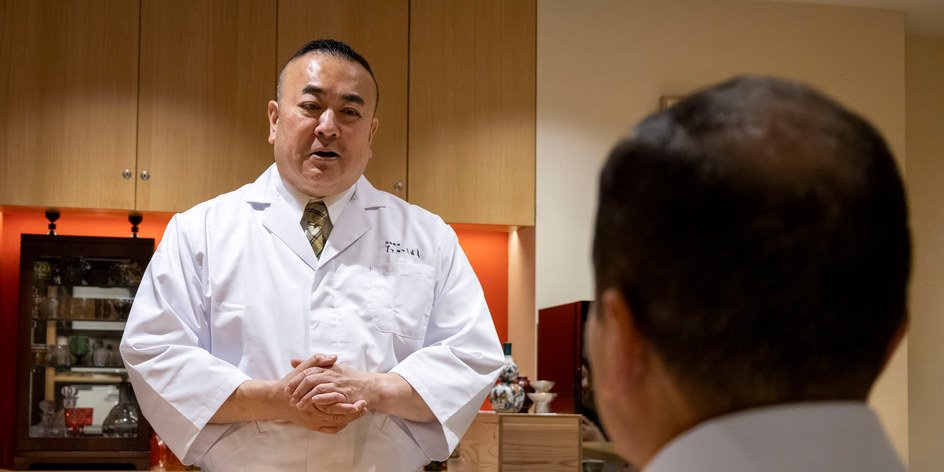
“It is important that a cold dish is enjoyed cold and the hot dish is hot,” explained Takahashi. “If a guest waits too long, I don’t know if they can enjoy it the right way.”
It is not polite to watch something on your phone during a meal, or to have a child with a device play a YouTube or other such video, disturbing the restaurant’s ambience. Aside from a few photos, it is best to have your kaiseki meal serve as a break from technology.
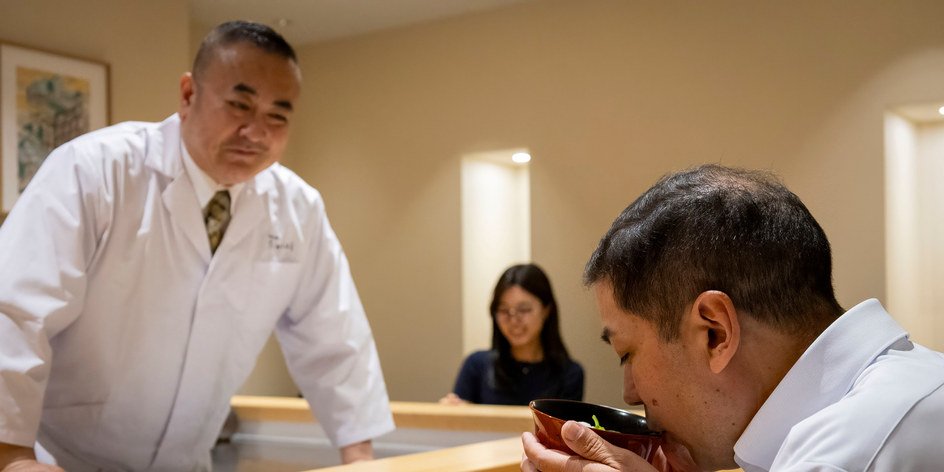
The decor of the restaurant, smiles of other guests, even sounds of the chef preparing and plating dishes are all part of the experience. Smell is part of the experience as well, so remember to avoid or minimize use of perfume or cologne.
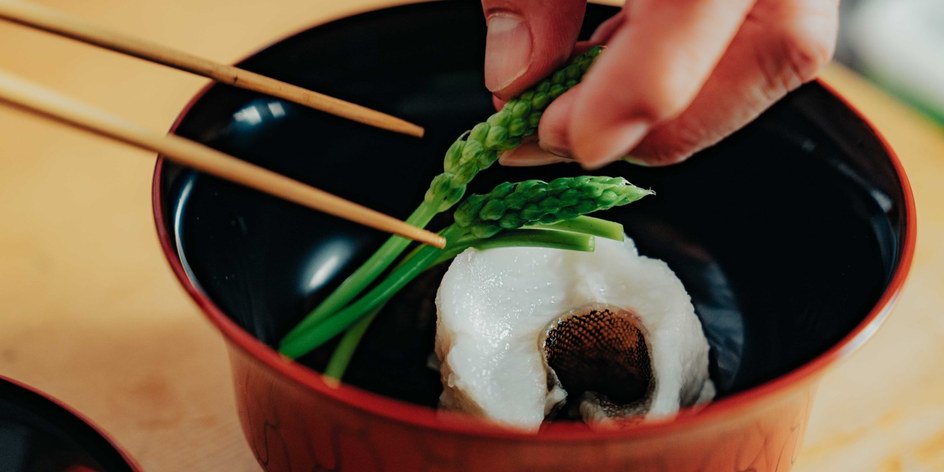
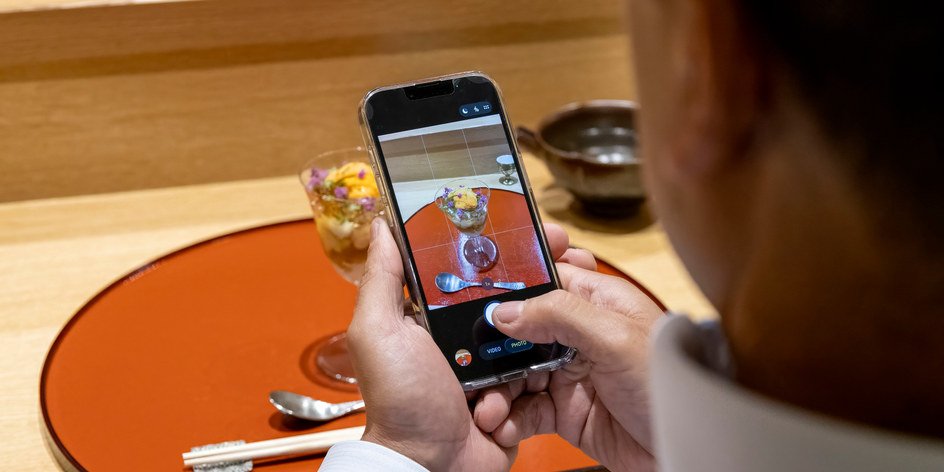
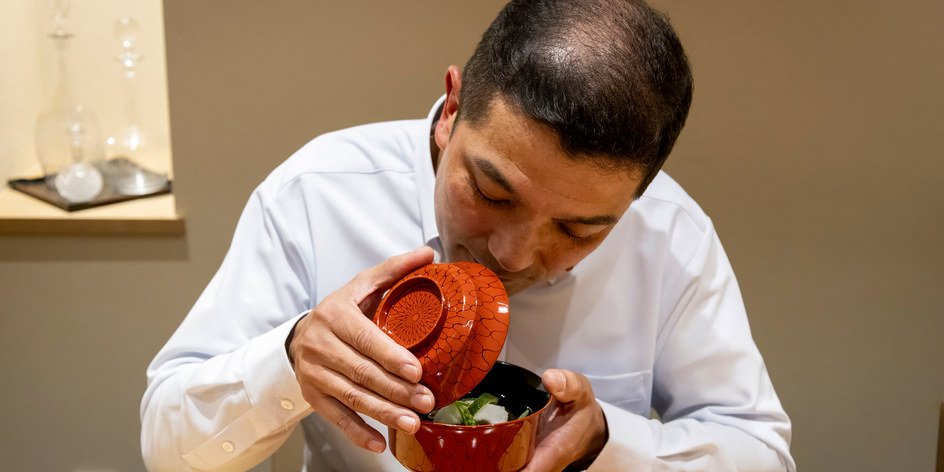
Generally, small dishes are meant to be held as you drink or consume them with chopsticks, whereas larger plates should remain on the counter. Chopsticks should only be used to grasp food, not to pierce your next bite like a fork. Wasabi for a sashimi dish should not be dissolved in soy sauce for dipping—place it on the fish and then dip the fish in the soy sauce. For your owan soup course, take a moment to enjoy the dish’s aroma after uncovering it. Then, take your first sip of the broth right from the bowl before ladling it into a soup bowl.
More important than these points of etiquette, however, is being punctual. The multiple courses for a kaiseki meal are prepared, cooked and served on an intricate schedule, especially when being balanced with plates for other diners who may not be having the same dishes. Takahashi said he understands that sometimes lateness is unavoidable, but he pointed out that being told of a delay a few hours ahead is far better than a 7pm reservation calling at 7:05 to explain a 7:20 arrival.
What is quite off-putting is an unannounced no-show. While many establishments collect payment during the reservation process, failing to show up is very deflating for a kaiseki chef, who views food as precious, worthy of gratitude, and does not like wasting it.
“Japanese cuisine is about capturing a specific moment in time,” said Takahashi. “Each dish is created for that particular occasion and cannot simply be carried over to the next day.”
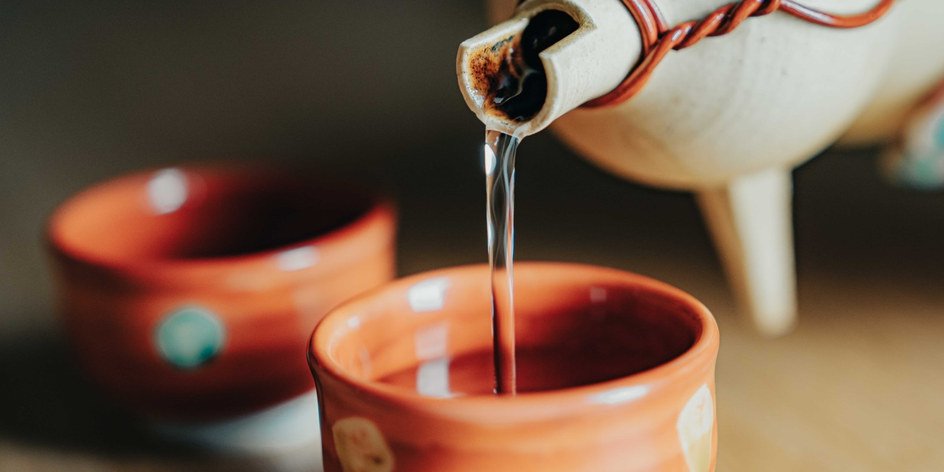
Takahashi said a few of his guests have wanted soft drinks, which he feels does not pair with kaiseki. While not a serious faux pas like blaring a TikTok video, it is best to, again, put your trust in the chef with regard to beverages.
Far from being concerned about boisterousness, Takahashi actually enjoys when his guests drink sake as he sees this as a catalyst for their relaxation, interaction with other guests and immersion in the experience. He even said that sometimes if he knows a regular guest who likes to drink sake is coming, he may put that person in the middle to trigger conversation. Nihonryori Takahashi has sake pairings available, as well as white wine, beer, and non-alcoholic beverages. Many other kaiseki restaurants, especially those with meat courses, will also have red wine pairings.
Respect through learning
One of the best ways to show respect during a kaiseki meal is to approach it as an opportunity to learn. Takahashi, having worked abroad for the better part of two decades, can interact with his guests in English. But even a strictly Japanese-speaking chef should be able to name vegetables, fish and pantomime how to consume particular dishes.
Mindful of the guest experience, chefs may hesitate to interrupt a meal with anecdotes and pointers. Takahashi has had guests request spoons for a miso soup course, when the proper way is to drink the soup from the bowl. In these situations, he is again torn about what to do. Provide the spoon beforehand or take the time to explain the Japanese way to have miso? “Some guests may want to learn, but some just want the spoon,” he said.
The best solution is to proactively resolve any such conflict within your kaiseki chef. If you don’t have a utensil you would expect, or don’t know how to eat something, just ask what you should do. Kaiseki chefs generally will gladly take any opportunity to talk about their passion. An eager-to-learn guest makes for a better chef experience.
Regardless of your level of Japanese cuisine knowledge, every kaiseki meal is bound to have some combination, some root vegetable, some element that you are not familiar with. Bear in mind that every seasonal delicacy was chosen and prepared with your party in mind. As a visitor to Tokyo having kaiseki, it’s best to use the experience to deepen your knowledge, and there is no better way to appreciate a kaiseki meal than to hear its story.
All roads lead to Tokyo
Tokyo is often considered one of Japan’s best destinations for kaiseki, and I was curious as to why. So, I asked Takahashi. I expected to hear something about the capital’s history or concentration of culinary professionals. His answer surprised me: it’s because of Toyosu, the largest fresh seafood and vegetable market in the world, which opened in 2018 as the successor to the famous Tsukiji fish market.
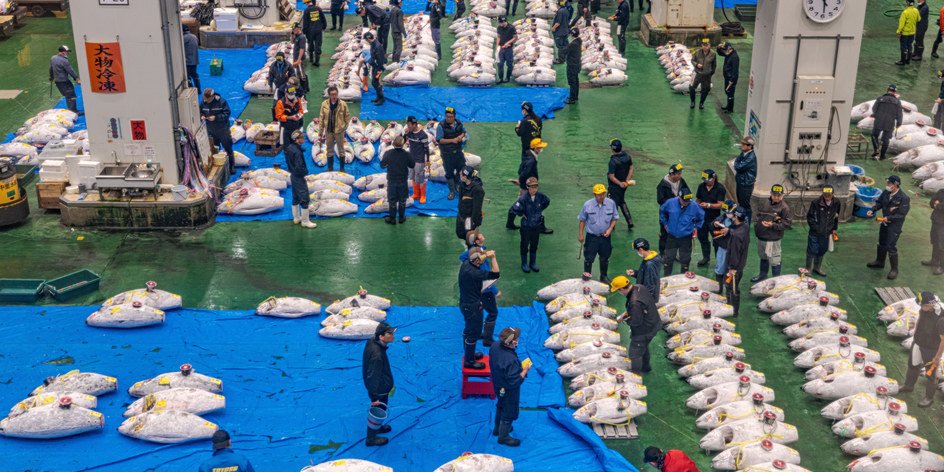
Tokyo’s kaiseki practitioners often visit Toyosu five days per week acquiring seasonal catches and produce in the early morning. Seafood from up and down Japan’s coastline often ends up in Toyosu first, giving Tokyo’s chefs the best choices.
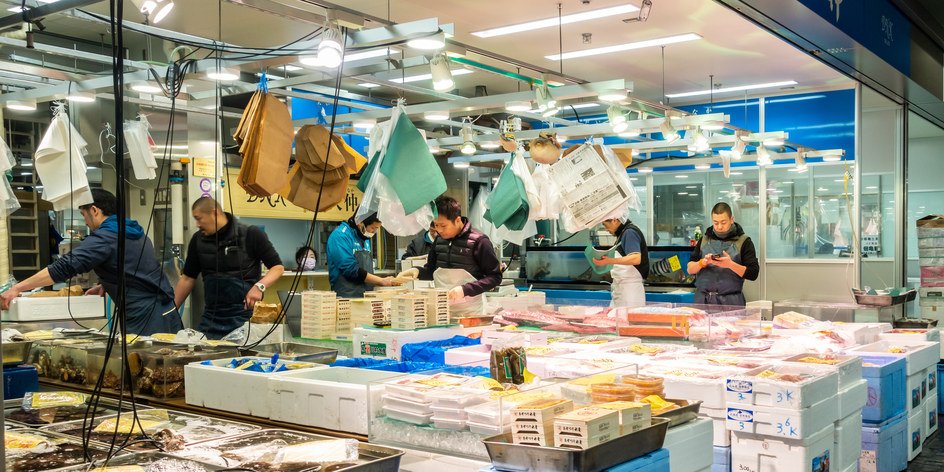
“Off the coast of Chiba Prefecture they have kinmedai fish, or bigeye snapper, but my old colleague in Chiba cannot buy it directly,” said Takahashi. “It goes to Toyosu first.”
The situation is the same for Toyosu’s produce market, which has seasonal vegetables from all over the country. The indoor, climate-controlled Toyosu Market is arguably an improvement over the former, open-air Tsukiji as it can provide a higher standard of freshness. Toyosu Market ensures that the freshness and ingredient variety found in Tokyo’s high-end dining scene is among the world’s best.
Total kaiseki
Like French haute cuisine or the world of wine, there is an endless amount to learn about kaiseki, from its ancient roots and modern expressions to the way you could map out Japan via its seasonal ingredients. Some dishes can even serve as references to classical poetry or episodes from Japanese history. But the most important thing is to fully enjoy a special Tokyo dining experience.
Takahashi told me of a guest who, while enjoying a soup course, poured the soup into the lid of the soup dish set as if she was pouring sake into a small sake cup. This is flatly not the way to enjoy soup, but Takahashi was laughing as he told the story and he remembers the lady as a lovely, courteous guest. He chose not to say anything.
And that is the thing about kaiseki. There is a proper way to put your chopsticks down, to remove a soup lid, and every other action by the diner. The chef’s objective, however, is for the guest to enjoy their meal. Put the phone away, be open to engaging with other guests, try seasonal delicacies you may not know, and leave the outside world behind. Use all your senses to enjoy a total kaiseki experience. This is the proper way.
Nihonryori Takahashi
Tadashi Takahashi
Born in Tokyo, Japan, in 1977. Takahashi began his culinary career at the age of 19, training at Kaiseki Wakou in Mejiro and Kaiseki Komuro in Kagurazaka. He later moved to the U.K. and joined Nobu London, before building an international career that included serving as Head Chef at Nobu Melbourne. After further refining his skills in Singapore, he returned to Japan in 2020 and opened Nihonryori Takahashi in Koto City, Tokyo. Drawing on experience gained both in Japan and abroad, he continues to share the richness of Japanese cuisine with guests from around the world.
Address
1-7-6 Morishita, Koto City, Tokyo 135-0004, Japan
https://www.rest-takahashi.com/
To learn more about
you can press “copy” and paste on search engine